Notes on being a toxic man
The narrative dissonance of new age masculinity

There’s an interesting video that I’ve wanted to write about for some time
It’s called Ludo-narrative dissonance, by the YouTube channel Folding Ideas.
The term was originally coined to describe the dissonance in video games — specifically, the contradiction between the storylines versus the actual gameplay.
The easiest examples are the war games that tell you that killing and destruction is bad for society, only to immediately cut to the actual gameplay, where you, the player, are gunning down entire legions of enemies.
Folding Ideas points out that we can apply the same basic critique to movies as well, using the example of the Transformers series. In the movies, Megan Fox’s character is supposed to be an intelligent mechanic, although she is filmed in a way that reduces her to little more than eye candy.

I once attempted to write a essay on this concept of narrative dissonance, although I never published it because I couldn’t make it flow. I was trying to apply this same contradiction to books, referencing two characters in particular:
Mrs. Bennett from Pride and Prejudice, and
The Emperor of Mankind, from Warhammer 40 K
Both of these characters embody a contradiction between how they are described, and the actual actions they take in the narrative.
For example, Mrs. Bennett is often presented as this shrill and overbearing mother — but within the confines of the narrative, many of the actions she takes not only makes sense, but are actually quite effective (bringing about the conditions for her eldest daughter’s marriage, for example)
By contrast, the Emperor of Mankind (and by extension, the Primarchs) are often symbolized as military geniuses who are ten steps ahead of everybody — and yet they’re often stuck dealing with the consequences of their incredibly poor decision-making.
I think the best example of this narrative dissonance would be the multitude of “anti-war” movies and TV shows. Media itself has a glorifying effect; the shot composition, the camera work, the editing — all of it naturally serves to make the work more beautiful than reality.

And so, in many cases, the ultimate messaging of a given piece of media — book, film, or video game alike — ends up backfiring, leaving people with the opposite impression of what they were supposed to take away from that work.
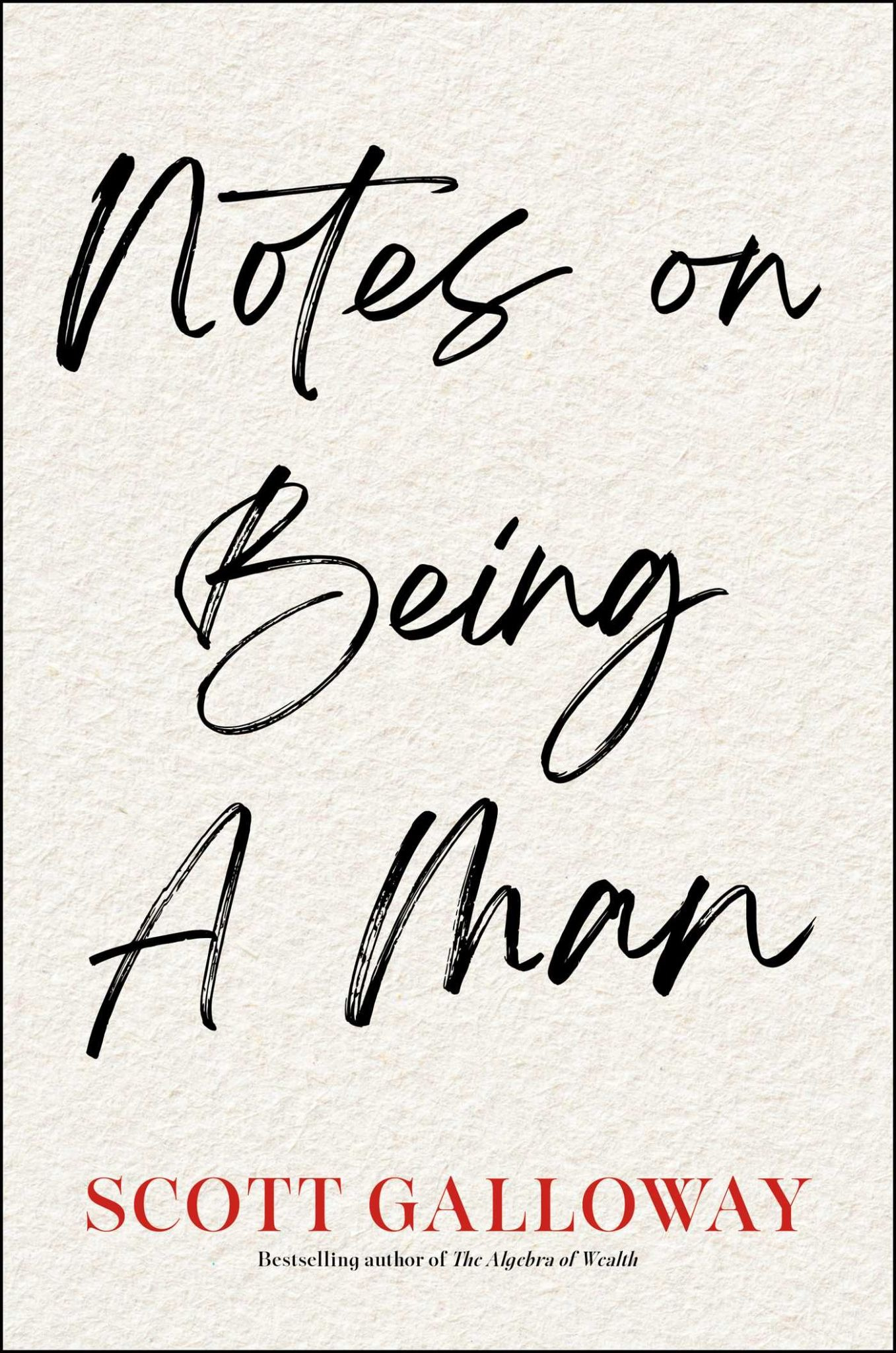
And this brings us to Scott Galloway’s new book: notes on being a man